

Guangzhou’s Huangpu: A 600-Year-Old Village Offers the Pastoral Life People Long For
Updated : 2026-07-08Step into Huakeng Village in Hongshan Subdistrict, Huangpu District, Guangzhou, and smooth asphalt roads now connect rows of homes, replacing the muddy conditions that once troubled villagers on rainy days. The newly renovated Jian Clan Ancestral Hall stands in harmony with century-old trees, while a sentry booth and vehicle barriers have been added at the village entrance to separate pedestrian and vehicle traffic and improve orderly management. Signs reading “Hongshan Huakeng Military-Civilian Community” are especially eye-catching.
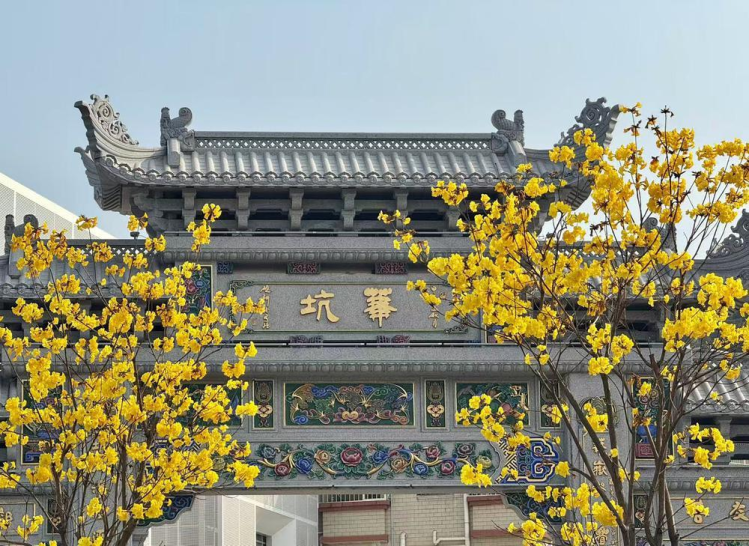
Huakeng Village, with a history of more than 600 years
The most striking feature of Huakeng Village, which has a history of more than 600 years, is its 35-mu shared farmland, covering about 23,333 square meters. The neatly arranged fields have been divided into small plots, with footpaths running through them. Water channels and irrigation facilities are fully in place, along with public restrooms and farm tool service stations. Operated by the village collective, the farmland allows urban residents to rent plots for cultivation and also hosts parent-child study programs.
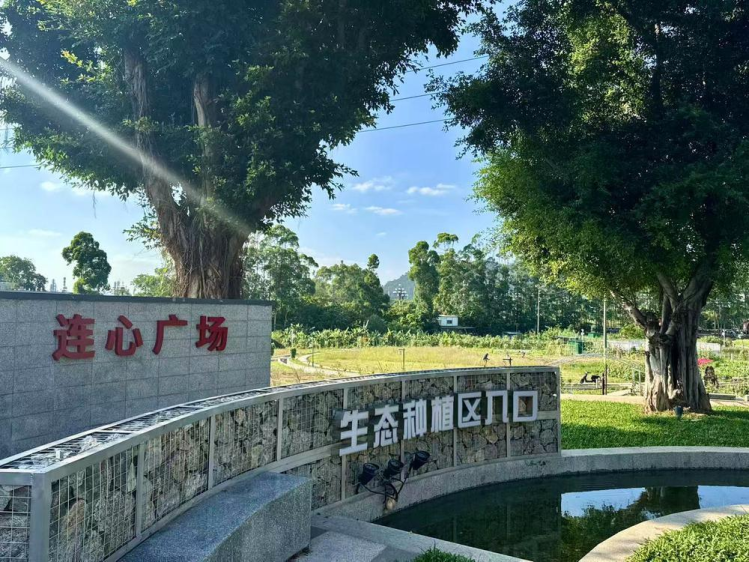
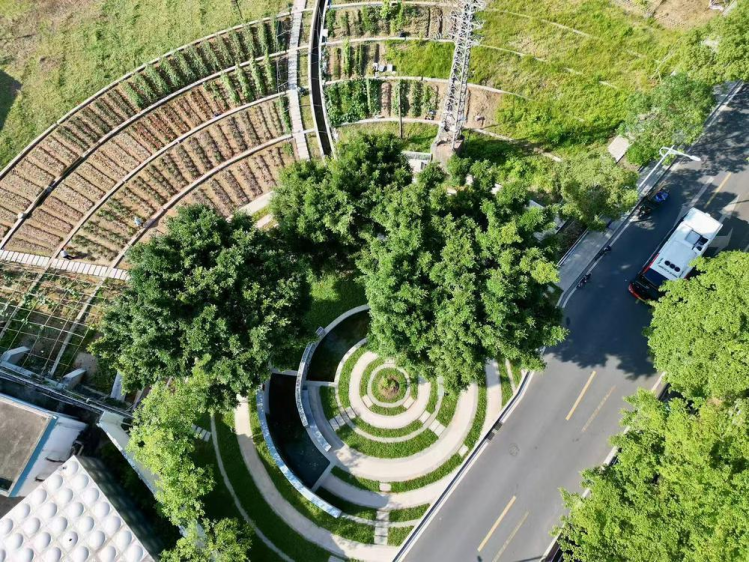
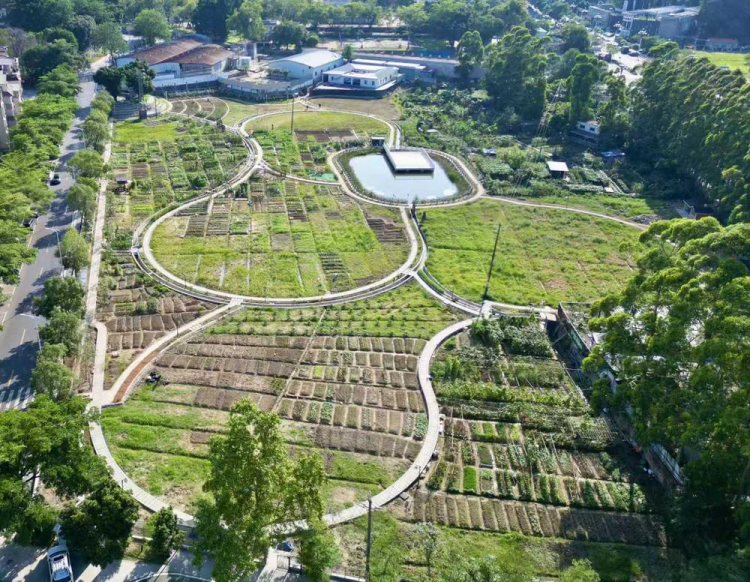
The rural landscape of Huakeng Village
A once silted-up feng shui pond has been dredged, repaired and landscaped. Its clear waters now ripple gently, with swans gliding across the surface. Villager Dajian said, “Now that the pond is clear, our hearts feel brighter too. During Spring Festival, everyone wants to take family photos by the pond.”
A newly built sports park has transformed a previously cluttered plot into a lively public space featuring basketball courts, table tennis courts, fitness areas, a children’s play area and a looped jogging track. Villager Uncle Jian joked, “In the past, everyone went home after dinner. Now people naturally head to the park. It has become our village center.”
As the village has taken on a new look, residents’ incomes have also risen. In 2025, Huakeng Village’s collective income reached 27 million yuan. From 2023 to 2025, the per-capita annual dividend for villagers remained stable at around 100,000 yuan, achieving a win-win outcome of industrial revitalization and higher resident incomes.
Beyond its visible changes, the village is also preserving its cultural roots. Inside the Jian Clan Ancestral Hall, the Huakeng Village Quyi Society fills the air with melodious singing. Xu Jinping, head of the society, said, “In the past, villagers mostly spent their free time playing cards or watching television. Now we gather to learn Cantonese opera, and neighborhood relations have become more harmonious.”
Military-civilian joint development has also made steady progress. The 300-meter “Military-Civilian Bonding Road” and the “Red Hongshan, Hearts Together” brand reflect the close bond between the military and the people. The annual “Hongshan Daughters-in-Law Festival” has also gained wider recognition, showcasing the spirit and charm of rural women.
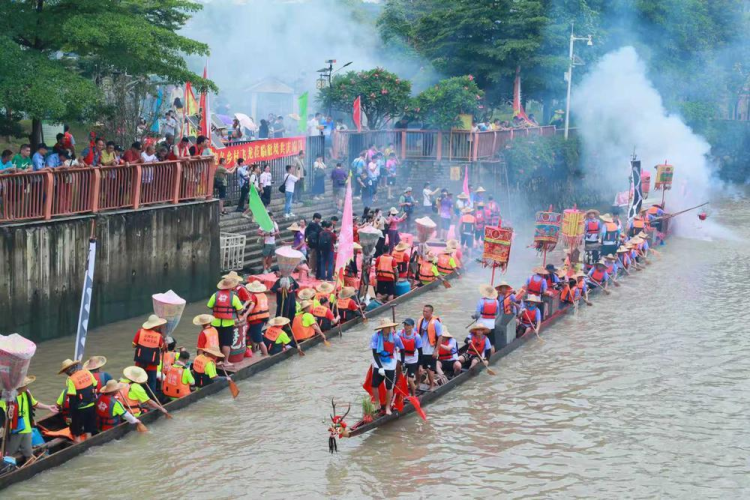
Folk activities in Huakeng Village
From a “semi-urban village” to a community where “greenery can be seen from the window and parks are just outside the door,” Huakeng Village has used “green beauty, harmony and prosperity” to paint a vivid picture of integrated urban-rural development, effective governance and affluent living. Going forward, Huakeng Village will continue to tap into its folk cultural resources and develop rural cultural tourism, attracting visitors through culture and promoting development through practical efforts as it writes a new chapter in rural revitalization.
(By Lu Jiazhen)


Links
>
Copyright © Guangzhou Development District People's Government.
All rights reserved. Presented by CRI Online
粤ICP备16087157号-1
All rights reserved. Presented by CRI Online
粤ICP备16087157号-1